When a person is living with memory loss from Alzheimer’s disease or related dementias (ADRD), mealtimes may become harder for reasons that aren’t always obvious. Appetite may change, distractions can make it hard to focus and certain textures can feel unsafe or unappealing.
The ideas below are simple adjustments you can make to almost any recipe, helping make your meal easier to eat, easier to serve and able to be enjoyed by everyone in the home.
Make foods that are easy to chew and swallow
ADRD can sometimes make chewing and swallowing difficult. This can make crunchy or tough foods harder to eat. Tender, moist and easy-to-manage dishes like soups, stews, casseroles and overnight oats are options that are both delicious and easy-to-eat. If you are cooking for someone with ADRD, consider slicing or shredding meats so they’re ready to serve.
Try making their favorite foods
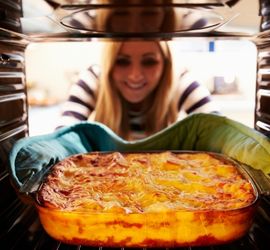
People with ADRD sometimes have a harder time with memory and decision-making. That can make some foods feel unfamiliar, even if the person has eaten them before. Favorite foods can feel safe and comforting, so they may be more likely to be eaten. If you know what the person loves, try making a familiar meal with those flavors. If you’re not sure, simple comfort foods, like lasagna or chicken noodle soup, are often a good choice. Before you cook, check the person’s Meal Train for notes about likes, dislikes, allergies and dietary needs.
Consider finger foods
ADRD can affect more than memory. As ADRD progresses, it can be harder for the person to use utensils or stay focused during a meal. Finger foods can help because they are easy to pick up and eat, and they can help a person feel more independent while feeding themselves. Try options like egg bites, soft sandwiches cut into small pieces, cooked veggie sticks, fruit slices or other bite-sized snacks. Finger foods can also help on days when the person wants to snack instead of eating a full plate.
Offer one food at a time
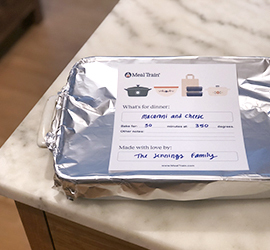
People living with ADRD may get distracted or feel overwhelmed at mealtimes. A plate with several foods can look busy or confusing, even if the food tastes great. By offering one food at a time, a person with ADRD can feel less overwhelmed by their plate. For a Meal Train delivery, consider all-in-one meals like pasta dishes or stews. You could also choose to pack foods in separate containers to help care partners serve the meal in a simple way that can help reduce mealtime stress.
Prep nutrient-dense meals
In ADRD, a person’s appetite can change from day to day. Some people may eat less, forget they were eating or get tired during meals. When that happens, it helps if the food packs more nutrition into fewer bites. Nutrient-dense meals have more protein, fiber and healthy fats. You can boost meals in easy ways like adding beans to soup, stirring spinach into sauce, choosing whole grains and using olive oil. These small changes can both support the person with ADRD and help nourish their care partners and family members.
Final thoughts
For families facing ADRD, a Meal Train can support routines, reduce stress and make mealtimes feel a little easier. Choosing familiar, easy-to-eat foods with a few nutrient-rich ingredients can help you feel confident your delivery is comforting and supportive for both the person with ADRD and the loved ones caring for them.
US6012 04/2026